
Liberty
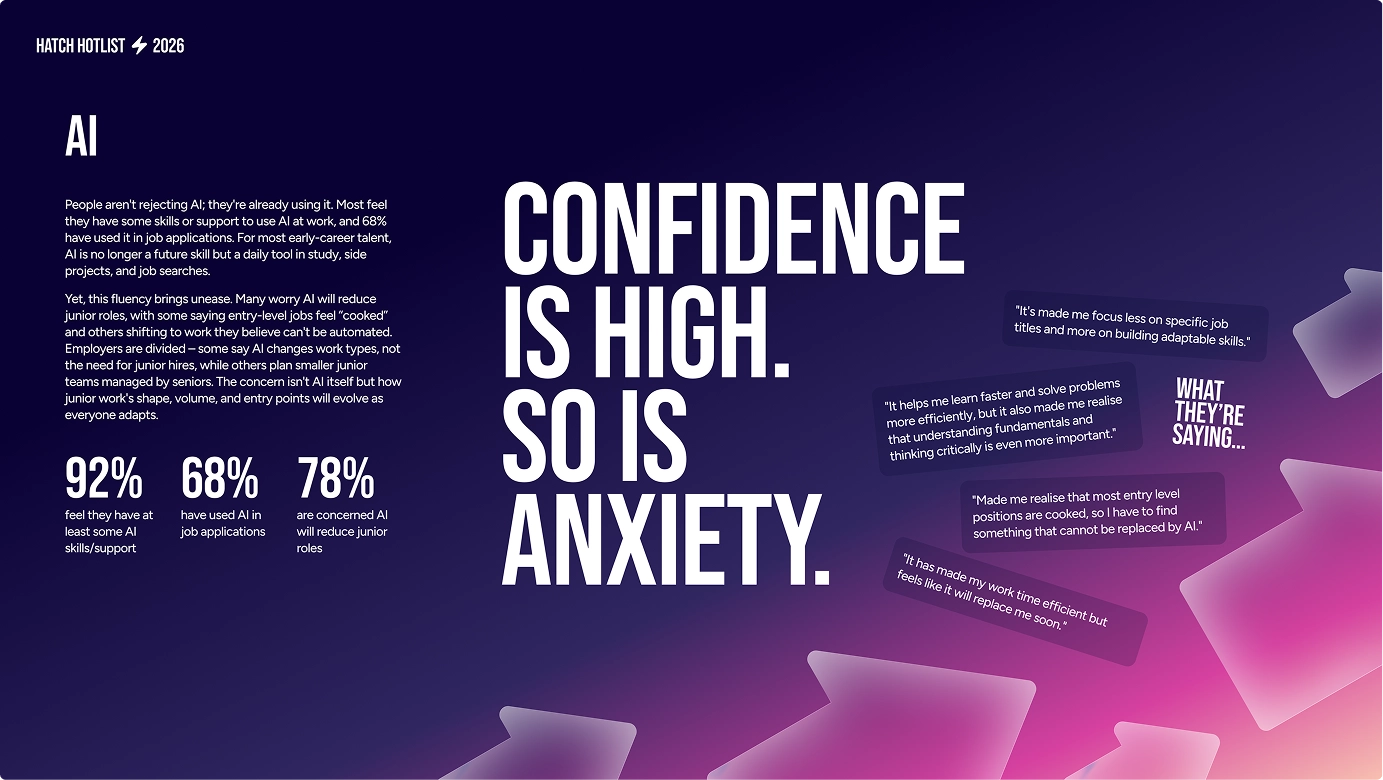
“As a uni student, I feel pretty uncertain as to what a more traditional career might have looked like before AI. It's replacing really traditional jobs, especially entry level ones. It's definitely a little bit scary.”
We went straight to the source. Discover which companies applicants love most and what truly drives their career choices.
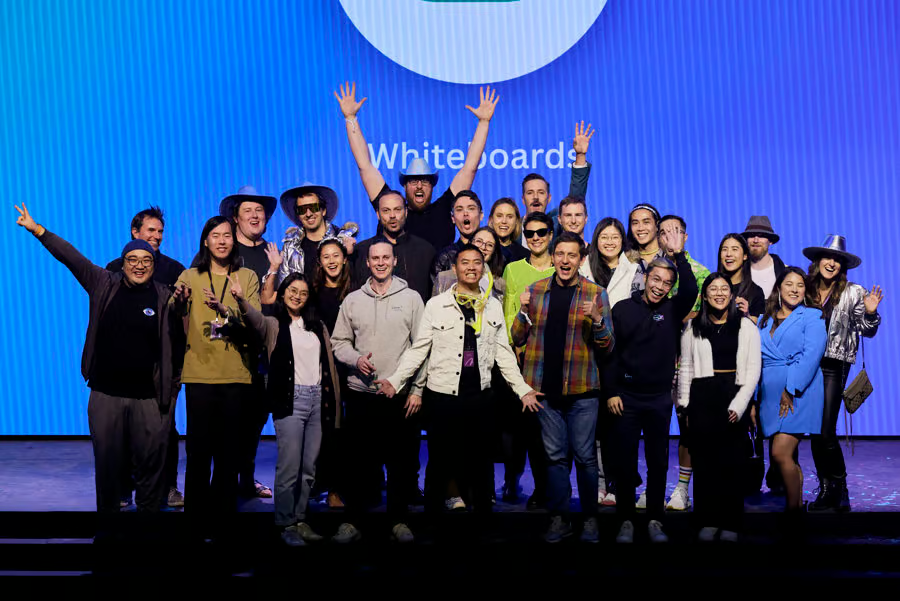

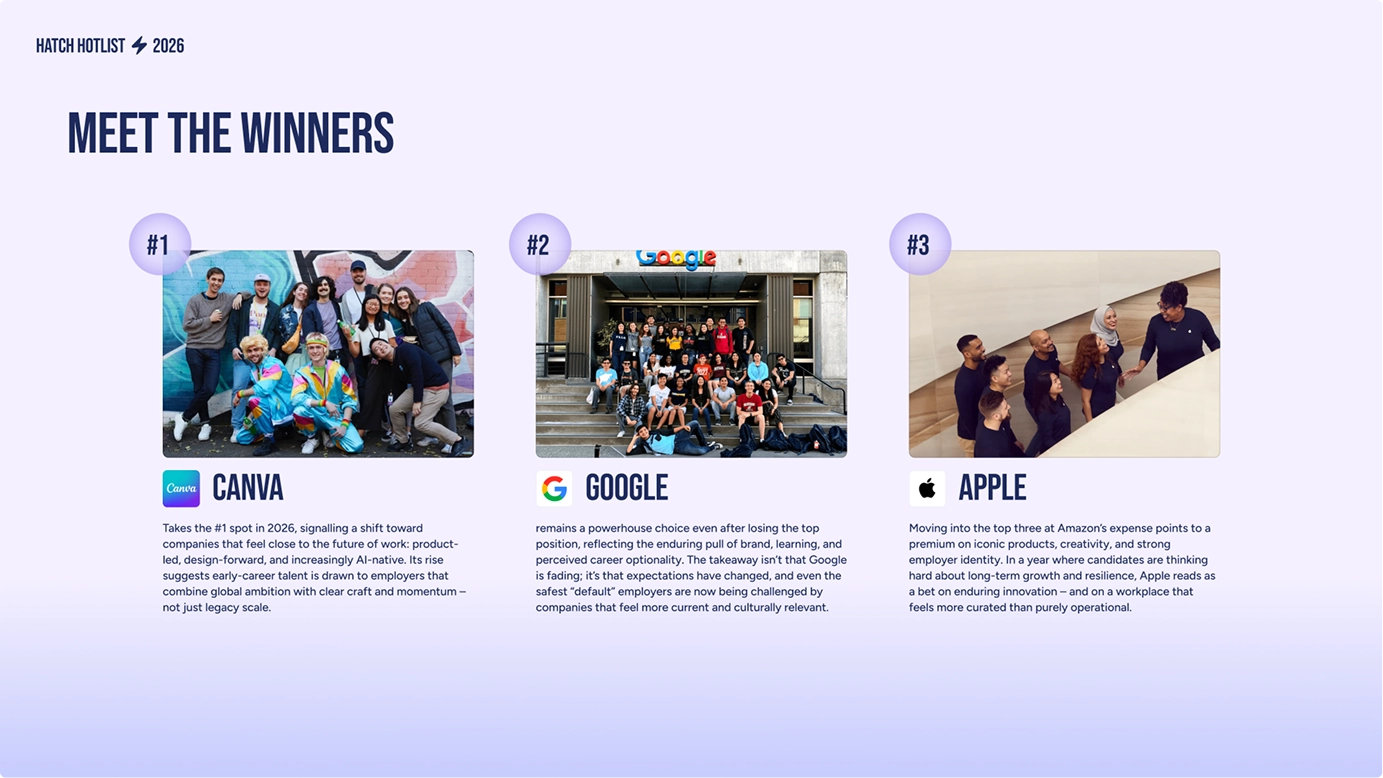
For the first time in Hotlist history, Canva climbs to the top of the list. Chosen for its homegrown-to-global story, AI-first product vision, and a culture built around learning and growth.
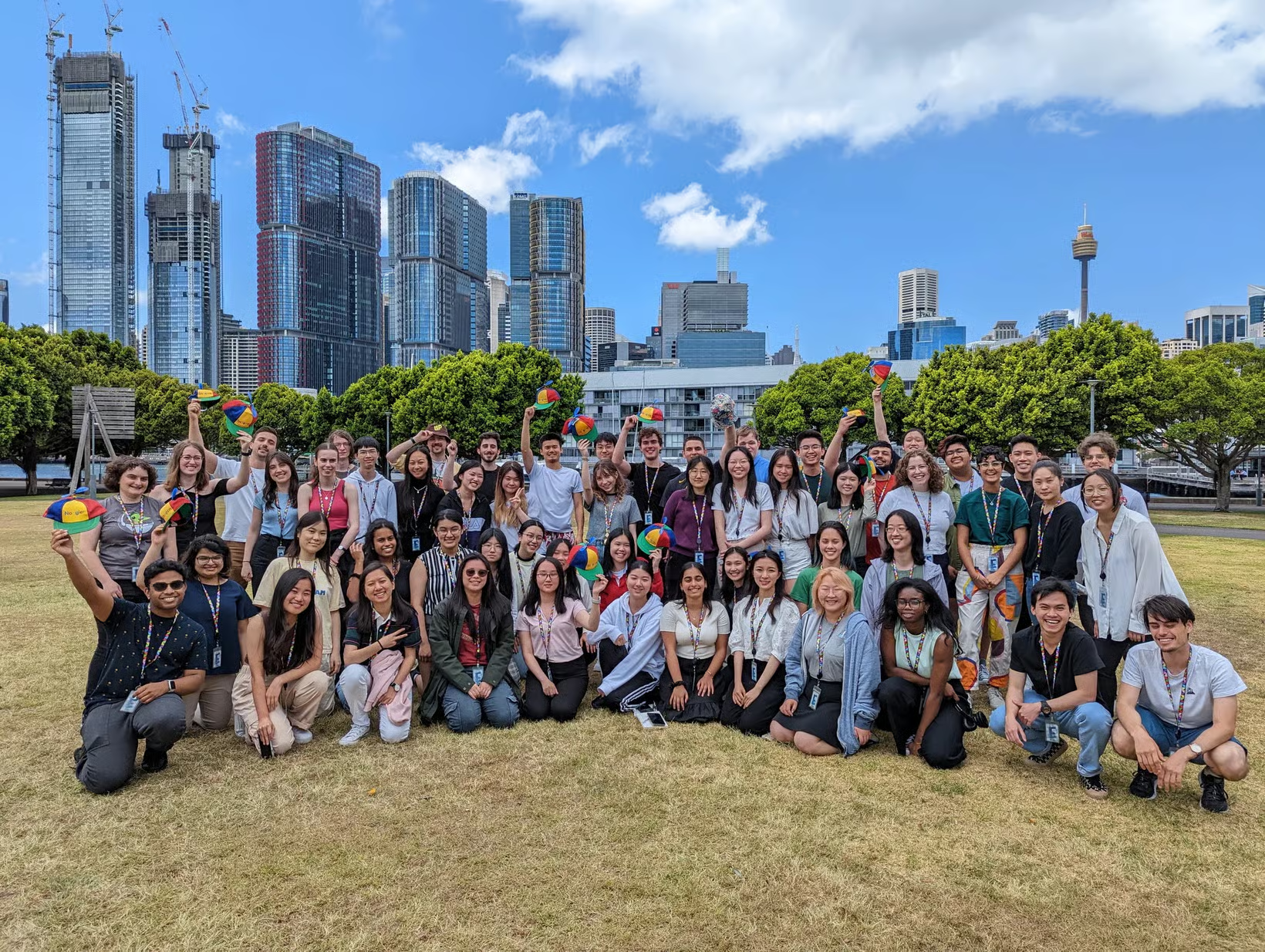

Google holds its place among the most aspirational employers – chosen for its global scale, learning culture, and the chance to work on AI that shapes how billions of people live and work.
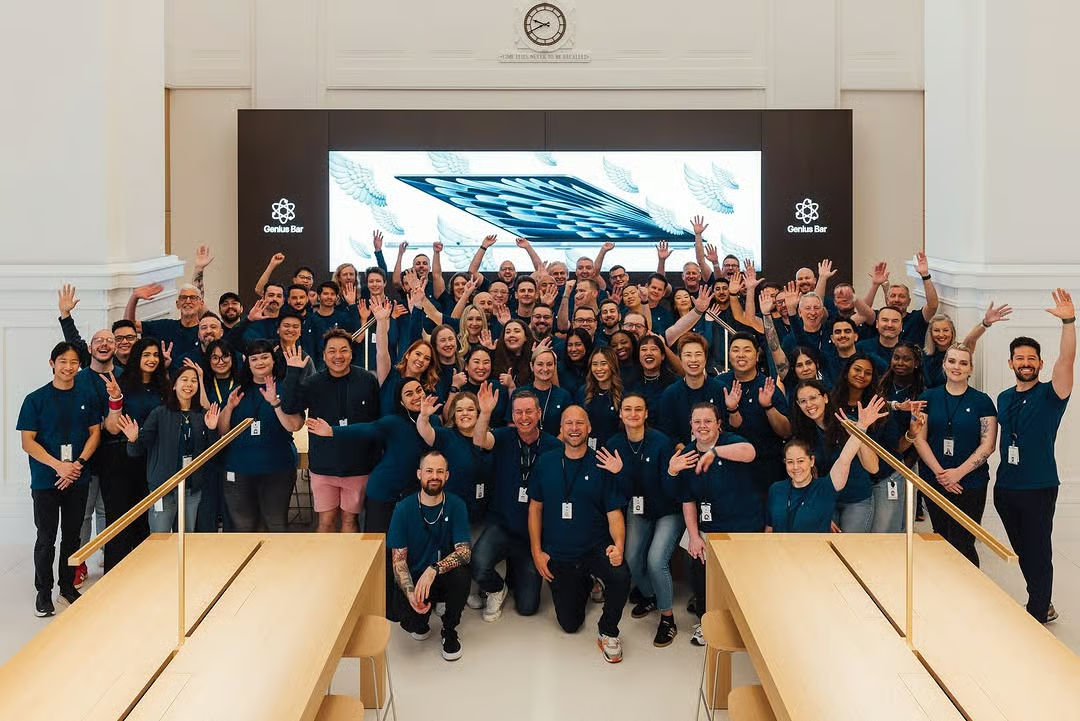

First time on the Hotlist and straight to the podium. Apple's debut signals a generation drawn to the intersection of craft and AI. Chosen for its design-led culture, premium brand, and reputation for doing things differently.
Real voices of young Australians – how the next generation is approaching work, AI, and what they want next.
“As a uni student, I feel pretty uncertain as to what a more traditional career might have looked like before AI. It's replacing really traditional jobs, especially entry level ones. It's definitely a little bit scary.”

“With accounting and finance, a lot of those entry level internships are becoming automated by AI. It makes getting a job at that level a little bit more difficult.”

“I think there's a lot of fear mongering when it comes to AI. It helps me with the gym schedule, with meal planning. In work I just think that it helps me with organisation, but not so much with replacing tasks that I do.”
More than 2,000 young Australians told us what they want from work and how they are building their own on-ramps.
Young Australians are anxious about what AI means for their careers, and employers aren't providing certainty. Many top employers aren't sure if they will hire more or fewer young people as AI reshapes junior jobs.
As AI takes on some of the work juniors once did, what employers value has shifted. They say resumes and qualifications matter less, while judgement, clear thinking and communication matter more than ever.
Employers are looking for applicants with more real-world experience right as pathways to gaining experience tighten due to AI. Applicants don't lack ambition, they lack opportunity.
The next generation is teaching themselves AI, running side hustles alongside their day jobs, and choosing the office over remote work because that's where the skill building, mentorship and connections they need to advance happen.
Growth, salary and purpose top what applicants want, while unclear career paths and high turnover drive them away. Even in a year defined by AI, what they're asking for hasn't shifted: growth, honesty, and a workplace worth showing up for.
Give graduates the real-world experience you want them to have. As AI takes over more of the tasks, create internships, and paid entry-level jobs to get students ready for work.
Juniors are anxious about AI, so tell them plainly what AI means for their job, what you're hiring for now, and where the growth actually is.
The applicants worth betting on are the ones who can question AI output, not just produce it. That matters more than a perfect CV now.
You can say all the right things about culture and growth, but how you hire people says just as much. Keep applicants in the loop, move quickly, and don't let silence do the talking.
If an applicant has a side hustle, ask what they built, what they learned, what broke. That's often where the real initiative shows up, and it deserves the same weight as anything else on their resume.
Learn what young people are looking for at work and what is motivating them in 2026.
Are you a media partner? Get the press release